
Latest
Articles
Browse our recent articles by MSK Direct

Is It Your Joint, Tendon, Muscle, or Nerve? How to Tell
Pain can come from many places—your joint, tendon, muscle, or nerve—but knowing which one is key to finding relief. Sorting out joint pain vs muscle pain, or spotting tendon pain symptoms, isn’t always easy when discomfort takes hold. This guide will help you identify your pain’s source with simple checks and clear signs, so you know when to seek care. At MSK Direct in Virginia Beach, we offer fast, transparent, non-surgical options tailored to your needs.
Distinguishing Pain Types
Determining where your pain originates can be tricky but essential for effective treatment. Let’s break down how to recognize joint, tendon, muscle, and nerve pain.
Joint Pain vs Muscle Pain
Joint pain and muscle pain can feel similar but often arise from different causes. Joint pain is typically felt deep within, often accompanied by swelling or stiffness, especially in the morning. Muscle pain tends to be more surface-level and is usually sore or achy, often due to overuse or strain. Understanding these differences can guide you to the right treatment.
Muscle pain often increases with movement, while joint pain might limit your range of motion. If your joints feel tender and swollen, or if you notice reduced flexibility, it might be joint pain. On the other hand, if you’re feeling a dull ache or experiencing spasms, your muscles could be the issue.
Tendon Pain Symptoms
Tendon pain, or tendinitis, is characterized by a sharp, localized pain that worsens with movement. It often follows repetitive activities and can make simple tasks painful. Common areas include shoulders, elbows, knees, and heels. You might feel a grating sensation when moving the affected area.
Tendinitis usually comes with swelling and warmth around the joint. If your pain intensifies after physical activity or you notice a lump along the tendon, you might be dealing with tendon pain. Early intervention can prevent further damage, so it’s crucial to pay attention to these symptoms.
Nerve Pain Symptoms
Nerve pain differs significantly from joint or muscle pain. It often presents as a burning or shooting sensation, possibly accompanied by tingling or numbness. This type## Distinguishing Pain Types
Identifying the type of pain you’re experiencing can be challenging but crucial. Understanding whether it originates from a joint, muscle, tendon, or nerve can guide you toward effective relief.
Joint Pain vs Muscle Pain
Joint pain often feels like aching or stiffness, particularly when moving or bearing weight. In contrast, muscle pain can be a sharp or dull ache, typically worsened by movement or pressure. For example, if your knee feels stiff when you walk, it might be joint-related. But if it hurts when you press or lift something, your muscle could be the culprit.
Muscles can be tender to touch and may cramp, especially after exertion. Joint pain often involves swelling and decreased range of motion. Consider whether the pain changes with specific activities. If bending or twisting causes discomfort, it may signal joint issues. Conversely, if lifting or stretching aggravates the pain, it could be muscle-related. Learn more about distinguishing these types in this simple guide.
Tendon Pain Symptoms
Tendon pain, often called tendinitis, occurs around joints like the elbow, shoulder, or knee. Symptoms include tenderness, pain during movement, and sometimes a grating sensation. It’s common in activities involving repetitive motions, like tennis or typing.
If you feel a burning sensation or swelling around these areas, it might be tendinitis. Unlike muscle pain, which can be relieved by resting, tendon pain may persist and worsen with continued use. Explore tendonitis treatments and symptoms further.
Nerve Pain Symptoms
Nerve pain can present as tingling, burning, or shooting sensations. It often stems from nerve compression or damage, like in sciatica. Symptoms may radiate along a limb and can be triggered by certain movements or positions.
For instance, tingling in your hands when typing could suggest a nerve issue. Unlike muscle or tendon pain, nerve pain might not change with rest and can be sharp or electric. Explore more about nerve pain symptoms and triggers.
Identifying Pain Sources
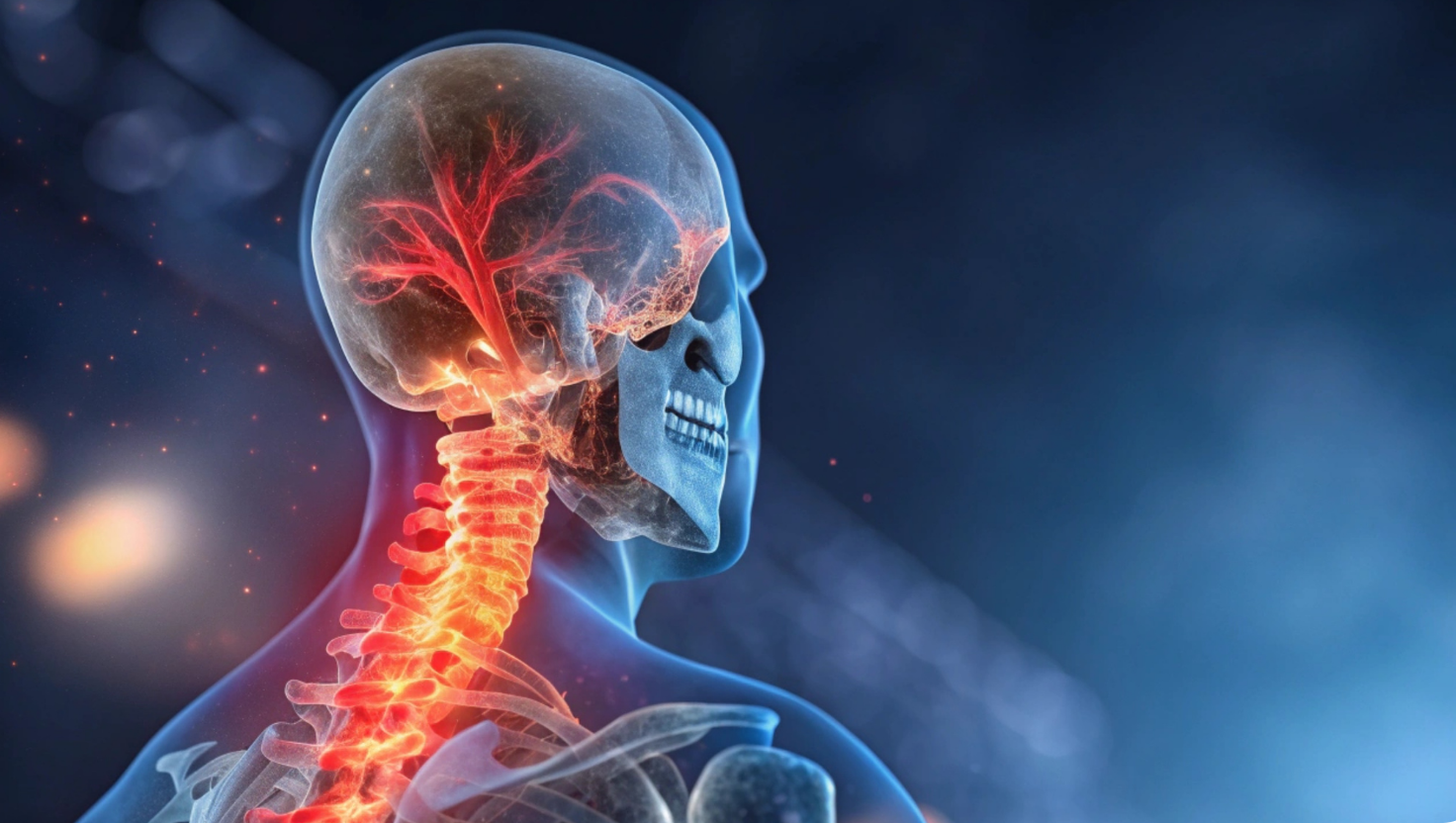
Now that you understand the different pain types, identifying the exact source can bring clarity and help you seek appropriate care.
How to Tell If Pain is from a Joint
Joint pain often correlates with movements that load the joint, such as walking or bending. Swelling, warmth, or redness around a joint can confirm this.
If your knee swells after a long walk or if your fingers ache while typing, the joints might be involved. Decreased mobility, like difficulty fully extending a limb, also points to joint issues. Find more details on differentiating joint pain here.
Muscle Strain vs Tendinitis
Muscle strains occur from overstretching or tearing, while tendinitis involves inflammation of the tendons. Strains typically cause immediate pain, while tendinitis develops over time with repetitive use.
Consider the timeline: a sudden pain after lifting could be a strain, while gradual soreness from repetitive tasks might indicate tendinitis. Rest and ice can help strains, but persistent pain may require further evaluation.
Radicular Pain vs Localized Pain
Radicular pain, like sciatica, radiates from a nerve root, causing symptoms along the nerve pathway. Localized pain stays confined to one area, like a sore muscle or joint.
If pain travels from your back down your leg, it may be radicular. Localized pain, like a tender spot on your shoulder, suggests a specific muscle or joint issue. Recognizing these patterns is crucial for effective treatment strategies.
When to Seek Care
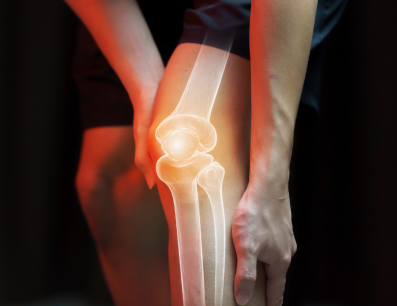
Understanding when to seek care can prevent further injury and expedite recovery.
Self-Checks for Pain Sources
Perform simple self-exams to determine your pain’s nature. Pay attention to when and how the pain occurs and note any physical changes like swelling or redness.
If self-management doesn’t bring relief or if you experience persistent or severe symptoms, seeking professional evaluation is essential. Medical experts can provide personalized assessments to address your specific needs.
Transparent Pricing Healthcare Options
At MSK Direct, we prioritize transparency and accessibility. Our direct-pay model and clear pricing help you make informed decisions about your care without unexpected costs.
Knowing what to expect financially allows you to focus on your health without the burden of surprise bills. This approach is particularly beneficial for those with high-deductible health plans.
Direct Pay Orthopedic Virginia Beach Services
For those in Virginia Beach, MSK Direct offers specialized non-surgical orthopedic care. Our direct-pay services include comprehensive assessments and innovative treatments tailored to your condition.
By choosing direct pay, you gain personalized and timely care, empowering you to take control of your health journey. Contact us to explore how our services can support your recovery and enhance your quality of life.
Frequently Asked Questions
What are the signs of joint pain vs muscle pain?
Joint pain often involves stiffness, swelling, and pain with movement. Muscle pain is more likely to be tender to touch and worsen with pressure or movement.
How can I tell if my pain is from a tendon?
Tendon pain, or tendinitis, occurs near joints and may involve a burning sensation or swelling. It often results from repetitive motion.
What distinguishes nerve pain from other types?
Nerve pain can include tingling, burning, or shooting sensations and often stems from nerve compression or damage.
When should I seek medical care for pain?
Seek care if your pain is severe, persistent, or if you notice swelling, redness, or decreased mobility. Early attention can prevent complications.
Why choose direct pay for orthopedic services?
Direct pay provides transparent pricing and personalized care, especially beneficial for those with high-deductible plans, eliminating insurance-related barriers.

Contact Us
-
Address 4176 South Plaza Trail, Suite 218
Virginia Beach, VA 23452 - Phone (757) 828-3080
- Fax (757) 828-3083
- E-Mail info@mskdirectvb.com
© 2025 MSK Direct. All Rights Reserved. Privacy Policy Design & Development by Dreamwebco
Leave a Reply