
Latest
Articles
Browse our recent articles by MSK Direct

Persistent Musculoskeletal Pain: Why Healing Stalls and What Helps
Persistent musculoskeletal pain can feel like an endless roadblock, especially when healing seems to stall. You’ve tried rest, therapies, maybe even medications, yet your pain lingers without clear answers. Understanding why this happens and finding targeted, non-surgical options can change your path—and getting care that puts you first speeds up progress. Here’s what you need to know about persistent musculoskeletal pain and how personalized treatment can help you move forward. For more information, visit MSK Direct.
Understanding Persistent Pain
Understanding why pain persists is the first step to finding relief. Persistent musculoskeletal pain can be frustrating, but uncovering the reasons behind it can guide you to effective solutions.
Common Causes of Pain Persistence
Persistent pain often stems from various factors. One major cause is untreated injuries, which can lead to chronic issues. If an injury doesn’t heal properly, it can result in ongoing pain. Additionally, conditions like arthritis or tendinopathy can cause prolonged discomfort. Another reason is nerve pain, which can become chronic if not addressed promptly. Understanding these causes helps in targeting the root of your pain.
Misconceptions About Healing
Many believe that pain must be fully eliminated to be considered healing. However, pain management often means reducing symptoms to a manageable level. It’s essential to recognize that complete elimination isn’t always possible, but minimizing the impact on daily life is a significant victory. Misunderstandings about healing can lead to unrealistic expectations and disappointment. Knowing what to expect can help you stay motivated on your path to recovery.
Barriers to Effective Recovery
There are several barriers that can hinder recovery. Lack of personalized care is a significant obstacle. Standard treatments often don’t account for individual differences. Additionally, limited access to specialized care can delay progress. Financial constraints, such as high deductibles and out-of-pocket costs, also prevent many from seeking the care they need. Overcoming these barriers requires proactive steps toward finding personalized and accessible solutions.
Non-Surgical Solutions for Pain
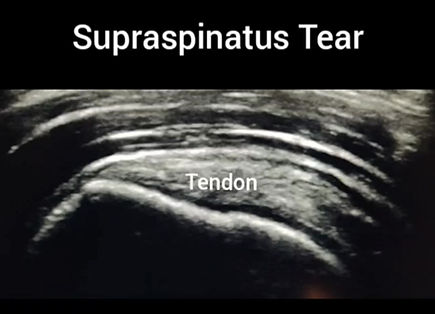
Non-surgical treatments offer effective ways to manage pain without the need for invasive procedures. They can provide relief while avoiding the risks associated with surgery.
Personalized Pain Management Strategies
Personalized care is crucial. Tailoring treatment to fit your unique needs can significantly improve outcomes. This might include combining various therapies, like physical therapy and lifestyle changes, to manage pain effectively. A personalized approach ensures that all aspects of your pain are addressed, leading to better long-term results.
Regenerative Therapies Explained
Regenerative therapies are innovative treatments that focus on healing and repairing tissues. For example, platelet-rich plasma (PRP) injections use your body’s own healing properties to repair damaged tissues. Similarly, extracorporeal shockwave therapy (ESWT) stimulates healing by sending shockwaves to affected areas. These therapies aim to restore function and reduce pain without surgery.
Role of Load Management in Rehab
Load management is an essential component of rehabilitation. It involves gradually increasing activity levels to strengthen muscles and tissues. This approach prevents overloading the injured area, which can worsen pain. By carefully managing the load, you can build resilience and support the healing process. This strategy is particularly beneficial in conditions like tendinopathy and knee osteoarthritis.
Advantages of Direct-Pay Care

Direct-pay care offers several benefits for those seeking specialized treatments without the constraints of insurance-based models.
Benefits of Price Transparency in Healthcare
Price transparency is a cornerstone of direct-pay care. Knowing the costs upfront allows you to make informed decisions about your treatment options. This transparency eliminates the surprise bills often associated with insurance-based care, providing peace of mind and financial predictability.
Faster Access to Specialized Treatments
Direct-pay care enables quicker access to specialized treatments. Without the need for referrals and insurance approvals, you can see a specialist sooner. This speed can lead to faster diagnosis and treatment, reducing the duration and severity of your pain.
Importance of Personalized Care Plans
Personalized care plans are more achievable in a direct-pay model. Without the limitations set by insurance plans, providers can tailor treatments to your specific needs. This personalized approach ensures that all your concerns are addressed, leading to improved outcomes and satisfaction with your care.
Frequently Asked Questions
What causes persistent musculoskeletal pain?
Persistent musculoskeletal pain can be caused by untreated injuries, chronic conditions like arthritis, or nerve pain. Identifying and addressing these causes is crucial for effective management.
How can non-surgical treatments help with pain?
Non-surgical treatments like PRP injections and ESWT focus on healing and repairing tissues. They offer effective pain relief without the risks associated with surgery.
What are the advantages of direct-pay care?
Direct-pay care provides price transparency, faster access to specialists, and personalized care plans. This model offers financial predictability and tailored treatments, improving overall patient satisfaction.

Contact Us
-
Address 4176 South Plaza Trail, Suite 218
Virginia Beach, VA 23452 - Phone (757) 828-3080
- Fax (757) 828-3083
- E-Mail info@mskdirectvb.com
© 2025 MSK Direct. All Rights Reserved. Privacy Policy Design & Development by Dreamwebco
Leave a Reply