
Latest
Articles
Browse our recent articles by MSK Direct

Why Your Musculoskeletal Pain Keeps Coming Back—and What To Do Next
Why Your Musculoskeletal Pain Keeps Coming Back—and What To Do Next
Persistent musculoskeletal pain can feel like a cycle with no end. You’ve tried rest, medications, or therapy, yet the pain keeps returning. Understanding why it comes back is key—and knowing your next steps can make all the difference. This guide will explain common causes and practical, non-surgical options that put you in control of your care. Learn more about musculoskeletal pain here.
Understanding Persistent Musculoskeletal Pain
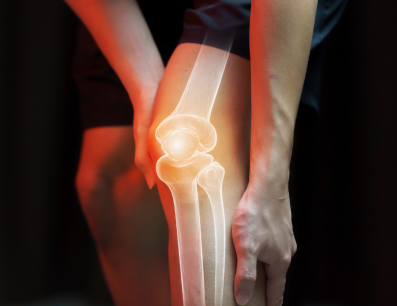
Let’s uncover why your pain keeps coming back. It’s not just in your head. Understanding the root causes will give you the power to tackle it head-on.
Common Causes of Recurring Pain
Persistent pain is often due to underlying issues that haven’t been addressed. Muscles, joints, or nerves can be persistently irritated or injured. Factors like posture, repetitive strain, and untreated injuries often play a role. A study shows that the body’s natural healing process sometimes falters, causing pain to persist.
Sometimes, the nervous system becomes overly sensitive. This can happen when pain signals continue long after the original injury has healed. It’s like your body’s alarm system is stuck in the “on” position. Chronic conditions such as arthritis or tendinitis can also contribute. It’s crucial to identify these triggers to break the cycle of pain.
Impact on Daily Life and Activities
Pain doesn’t just hurt physically. It affects your daily life and emotional well-being. Tasks like walking or lifting can become challenging. Even sitting still might be uncomfortable, making work or leisure activities tough. Persistent pain can lead to frustration and fatigue, making you feel less like yourself.
Emotionally, dealing with ongoing pain can be draining. It might lead to stress, affecting relationships and mood. 30% of people with chronic pain experience depression. Understanding these impacts is the first step in finding relief and reclaiming your life.
Non-Surgical Solutions for Pain Relief
Once you know why the pain keeps returning, you can explore various solutions. Non-surgical options can offer effective relief and help manage your condition.
Benefits of Regenerative Medicine
Regenerative medicine can be a game-changer. It focuses on healing and repairing the damage instead of just masking symptoms. Treatments like platelet-rich plasma (PRP) therapy use your body’s cells to promote healing and reduce inflammation.
PRP therapy is particularly effective for conditions like tendonitis or arthritis. It helps stimulate tissue regeneration and reduce pain over time. Patients often notice improvements in mobility and a decrease in pain levels. This approach offers a promising alternative to surgery, with a focus on natural healing.
Exploring Extracorporeal Shockwave Therapy
Another effective option is extracorporeal shockwave therapy (ESWT). This treatment uses sound waves to promote healing in injured tissues. It’s particularly useful for conditions like plantar fasciitis or rotator cuff tendinopathy. The therapy is non-invasive and encourages blood flow and cell repair.
ESWT can help reduce pain and improve function without the need for invasive procedures. Patients often experience a reduction in pain and an increase in mobility after a few sessions. Exploring these non-surgical options can provide a path to lasting relief.
Transparent, Direct-Pay Care at MSK Direct
Choosing the right care can make all the difference. At MSK Direct, we offer an approach that prioritizes your needs, with clear pricing and expert care.
Advantages of Concierge Sports Medicine
With concierge sports medicine, you get personalized attention. This means longer appointments where your story is heard, and your treatment is tailored just for you. It’s about building a relationship where you feel understood and supported throughout your recovery journey.
Clear Pricing and Quick Appointments
One of our key features is price transparency. You know exactly what you’re paying for, with no surprises. This approach is especially beneficial for those with high-deductible plans. Quick appointments ensure you get timely care, addressing your needs efficiently.
In summary, understanding the causes of your pain and exploring non-surgical solutions can lead to effective relief. The right care approach can transform your experience, helping you reclaim control over your health and life.

Contact Us
-
Address 4176 South Plaza Trail, Suite 218
Virginia Beach, VA 23452 - Phone (757) 828-3080
- Fax (757) 828-3083
- E-Mail info@mskdirectvb.com
© 2025 MSK Direct. All Rights Reserved. Privacy Policy Design & Development by Dreamwebco
Leave a Reply