
Latest
Articles
Browse our recent articles by MSK Direct

Why Your Pain Keeps Coming Back: A Patient Guide to Stalled Healing
Recurring pain often signals stalled healing beneath the surface. When your body doesn’t fully recover from conditions like tendinopathy or knee osteoarthritis, that nagging discomfort keeps coming back. In this guide, you’ll learn why healing can plateau and what clear steps you can take next. Ready for answers? Book a 60-minute evaluation today with MSK Direct—your path to personalized, transparent care in Hampton Roads. Learn more here.
Understanding Recurring Pain

If you’ve ever wondered why your pain keeps returning, you’re not alone. Understanding the root causes can help clear the path to effective treatment.
Causes of Stalled Healing
Healing can stall for various reasons. One common cause is the lack of proper rest. Your body needs time to mend itself after injury. Resting too little or returning to activity too soon can delay recovery.
Another factor is inflammation. While it’s a natural response, chronic inflammation can slow healing. Addressing inflammation through diet, exercise, and therapies can help. Stress is also a significant contributor. It affects hormone levels, which in turn influence healing rates. Managing stress through mindfulness or therapy can lead to improvement.
Common Misdiagnoses and Their Impact
Misdiagnoses can hinder recovery. Often, symptoms like pain or stiffness are treated without understanding the underlying issue. For instance, knee pain might be treated as arthritis when it could be tendinopathy. This is why accurate diagnosis matters.
Getting the right diagnosis can change your treatment plan significantly. It ensures you receive the correct interventions and prevents wasting time on ineffective treatments. Misdiagnoses can lead to unnecessary surgeries or medications that don’t address the real problem. Seeking a second opinion or consulting a specialist can be crucial.
The Role of Load Management
Load management is a key concept in recovery. It involves balancing activity levels to avoid overloading injured tissues. Understanding how much stress your body can handle is vital.
Improper load management can result in repeated injuries. Adapting your activities and gradually increasing intensity can promote healing. Consulting a physical therapist can provide guidance on safe exercise levels. Monitoring fatigue and adjusting your routine accordingly also plays a role in effective load management.
Treatment Options for Chronic Pain

Exploring various treatments can reveal effective solutions for chronic pain. Here’s a look at some promising options.
Benefits of Non-Surgical Approaches
Non-surgical treatments offer several benefits. They are often less invasive and have fewer risks compared to surgery. Physical therapy, for instance, can improve strength and flexibility, reducing pain over time.
Medication can also play a role in managing symptoms. Over-the-counter pain relievers or prescribed medications can provide relief without the need for surgery. Lifestyle changes, such as improved diet and exercise, can enhance overall well-being and decrease pain levels. These approaches are beneficial for those seeking a less invasive route.
Exploring Regenerative Medicine
Regenerative medicine offers exciting possibilities. It focuses on repairing damaged tissues using the body’s natural processes. Platelet-rich plasma (PRP) therapy is one method gaining attention. It involves injecting concentrated platelets to stimulate healing.
Extracorporeal shockwave therapy (ESWT) is another option. It uses sound waves to promote tissue repair. These treatments aim to restore function and reduce pain. Consulting with a specialist in regenerative medicine can determine if these options are suitable for you.
Advanced Therapies Explained
Advanced therapies include cutting-edge techniques like magnetic peripheral nerve stimulation (mPNS). This non-invasive treatment targets nerve-related pain. It offers a new way to manage chronic conditions.
Ultrasound-guided injections provide precision in delivering medications directly to the problem area. This ensures maximum effectiveness with minimal side effects. Advanced therapies can complement traditional treatments, offering new hope for those with persistent pain.
Advantages of Direct-Pay Care
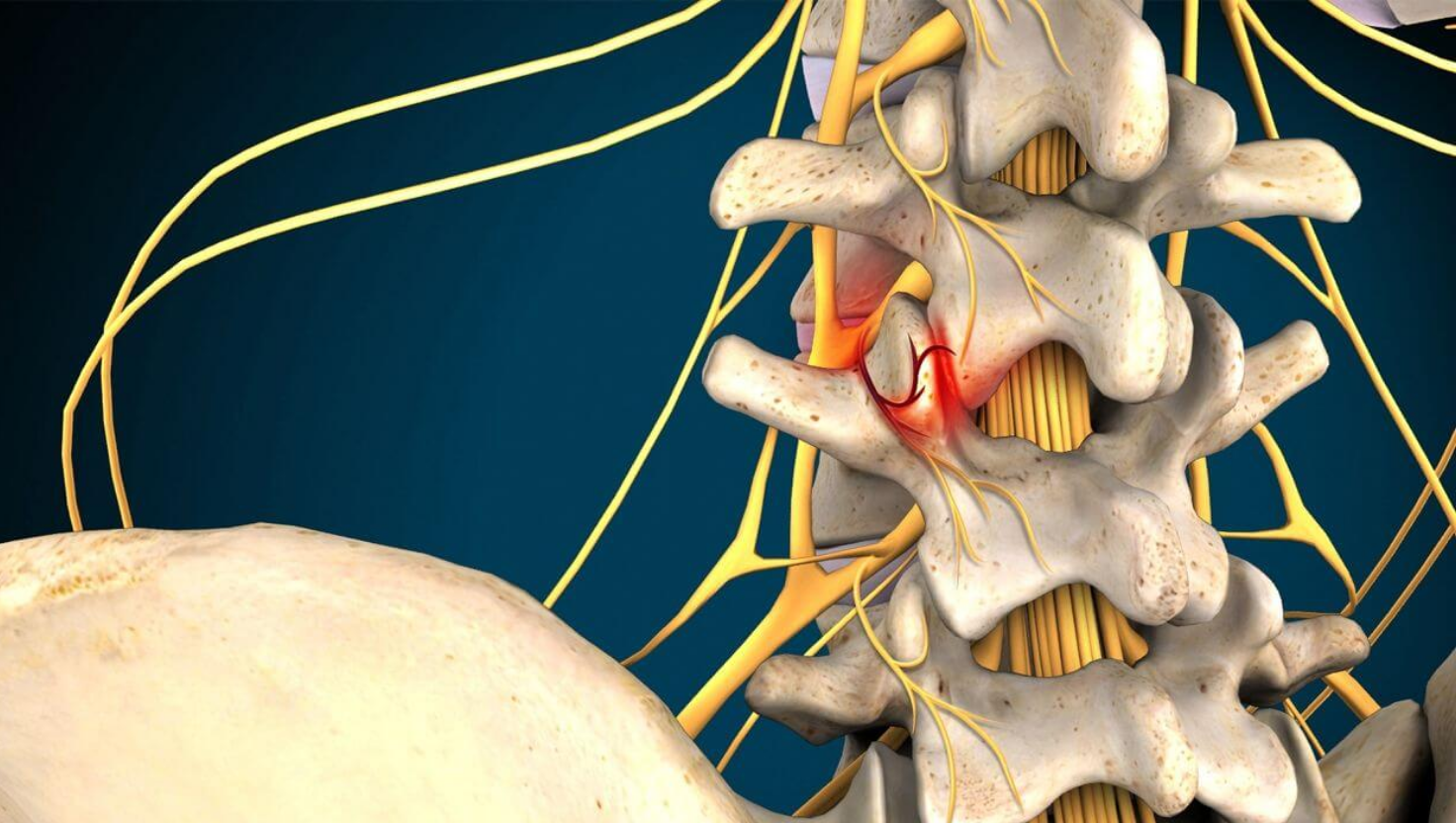
Direct-pay care models offer unique benefits, emphasizing personalized attention and transparency.
Personalized Care and Its Benefits
Direct-pay care prioritizes individualized treatment. Patients receive more time with their healthcare providers, leading to tailored solutions. This model fosters a deeper understanding of your condition.
Personalized care ensures that your specific needs are addressed. It empowers you to take an active role in your health journey. Patients often report higher satisfaction due to the focused attention and customized treatment plans.
Price Transparency in Healthcare
One of the main advantages of direct-pay care is price transparency. Patients know upfront what treatments will cost. This eliminates surprise bills and allows for better financial planning.
Transparent pricing helps you compare options and choose what fits your budget. It encourages informed decision-making and builds trust between patients and providers. Understanding costs before treatment begins reduces stress and enhances the overall healthcare experience.
Access to Comprehensive Evaluations
Direct-pay care offers comprehensive evaluations to identify the root cause of pain. These thorough assessments lead to precise diagnoses, enabling effective treatment plans.
Patients benefit from detailed evaluations that consider all aspects of their health. This holistic approach ensures no stone is left unturned in understanding and treating your condition. Comprehensive evaluations often lead to better outcomes and satisfaction.
In summary, understanding the reasons behind recurring pain and exploring various treatment options can open doors to effective relief. Considering direct-pay care models can offer personalized, transparent solutions tailored to your unique needs. Taking control of your healthcare journey is a powerful step towards improved well-being.

Contact Us
-
Address 4176 South Plaza Trail, Suite 218
Virginia Beach, VA 23452 - Phone (757) 828-3080
- Fax (757) 828-3083
- E-Mail info@mskdirectvb.com
© 2025 MSK Direct. All Rights Reserved. Privacy Policy Design & Development by Dreamwebco
Leave a Reply